Story in progress…. stand by….

A Site That Honors, Displays And Discusses Documentary Photography
Story in progress…. stand by….
Louie Schwartzberg speaks at the TED lecture.
This is a beautiful piece and should change your (and everyone’s) life:
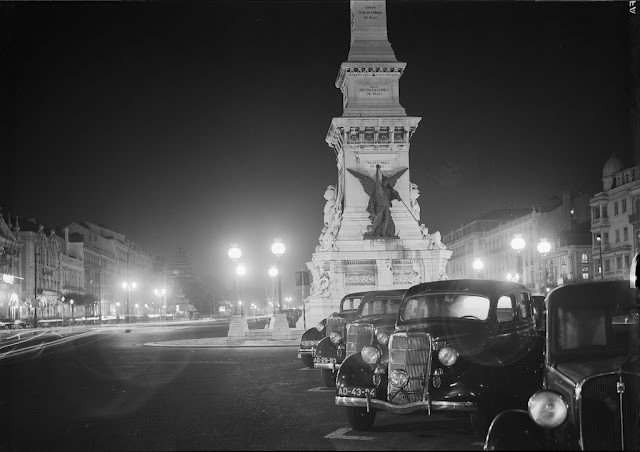
Restoration Square, Lisbon, Portugal. Photo: Horácio Novais Studio
A beautiful set of photos of Portugal at night, through the years, shot on Portugal Day.
Officially observed only in Portugal, Portuguese citizens and emigrants throughout the world celebrate this holiday. The date commemorates the death of national literary icon Luís de Camões on 10 June 1580.

Our colorful universe or good Acid trip?
Photo: NASA
From OMG Facts
Source: http://hubblesite.org/gallery/behind_the_pictures/meaning_of_color/
NASA says that taking color pictures with the Hubble telescope is much more complex than taking pictures with a regular camera. The reason for this is that the telescope uses special electronic detectors instead of using film.
The finished pictures that we see are actually combinations of various black-and-white exposures to which color has been added. Sadly, this means that sometimes they play with color as a tool. The colors you see on a photo aren’t necessarily what you’d see in real life.
The way they do it, is they have different filters that capture different sections of the color spectrum. For example, they will adjust their sensors to capture red light, then green light, then blue light.
This gets them 3 black and white photos. However, they each are of a different brightness depending on what color it is. In a picture of Mars, the red photo will be brighter than the others.
After they color each photo, they combine them and the result is the photos you see them publish!
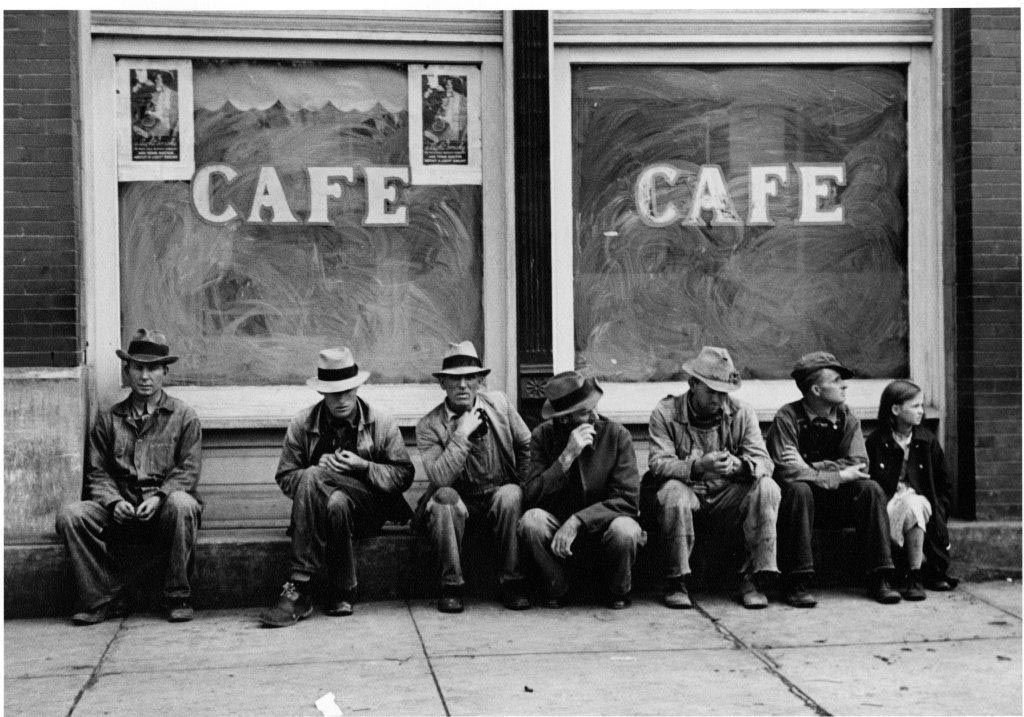
Article edited and written by Bruce Berman
Carl Mydans began his photographic career with the Farm Security Administration in 1935, and was quickly hired away by Life magazine in 1936. Mydans photographed national stories until 1939, when Life sent Carl and his wife Shelley Smith Mydans to cover the war in Europe as the first husband and wife photo-journalist team.
From Europe, the couple was re-assigned to the Pacific theater. In 1941 they were captured by Japanese forces in the Philippines and held as prisoners of war until 1943. Mydans returned to the war alone in 1944 to cover the Italian front, while his wife and partner remained behind in the United States.
Carl Mydans was born in Boston on May 20, 1907. The family moved to Medford, Massachusetts, on the Mystic River where Carl went to high school and worked in the local boatyards after school and on weekends. He later became interested in journalism and worked as a free-lance reporter for several local newspapers. In 1930 he graduated from the Boston University School of Journalism.
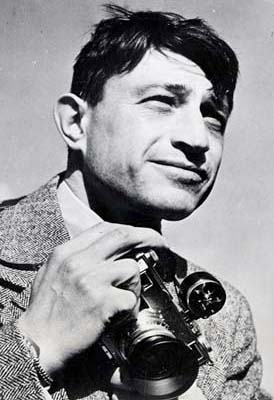
Mydans then moved to New York and, while working as a reporter for the “American Banker,” began to study photography at the Brooklyn Institute of Arts and Sciences. In July 1935 his skill with the new 35mm “miniature” camera landed him a job with the Department of the Interior’s Resettlement Administration, which soon merged into the Farm Security Administration (FSA). Mydans joined Walker Evans and Arthur Rothstein as the core of the remarkable team of photographers assembled by Roy Stryker to document rural America.
While travelling through the southern states photographing everything that had to do with cotton, Mydans developed the shooting style he would use throughout his career. He concentrated on people, and he photographed them in a respectful and straightforward manner. As he had been taught to do as a reporter, he kept careful notes on every shot.
When Mydans joined the staff of Life in 1936 he joined a group of photojournalists who were changing the way press photography was done. Photojournalists had traditionally used 4×5 Speed Graphic cameras with flashguns and reflector pans, and their pictures of people tended to look much the same: overlit foregrounds fell off to dark backdrops that had no detail. But Mydans and his colleagues at Life relied on 35mm cameras that allowed them to work with available light, capturing a new kind of excitement and activity in their photographs. Their success with the small camera revolutionized the practice of photojournalism.
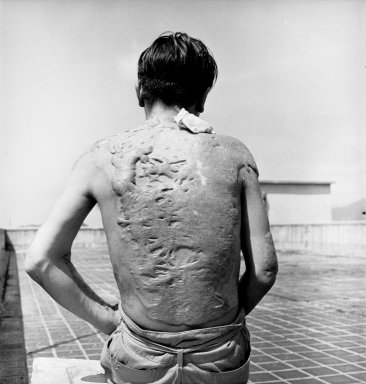
Images from NIGHT TREK series. I take strolls. I shot whatever I see. Like the old days before I was supposed to “be relevant.” The phonier is dumb, There’s always fingerprints (which one forgets to wipe off) because it’s in my pocket with change, keys, debris. I’m not caring because the point isn’t to be a photographer but to stroll. I think Cartier-Bresson said something about a photographer needs to be a good “stroller.”
I’m a good stroller anyway.
All these were shot on the mobile phone camera three days ago, Monday, May 21, in the Segundo barrio, the place that I stroll often and for years.
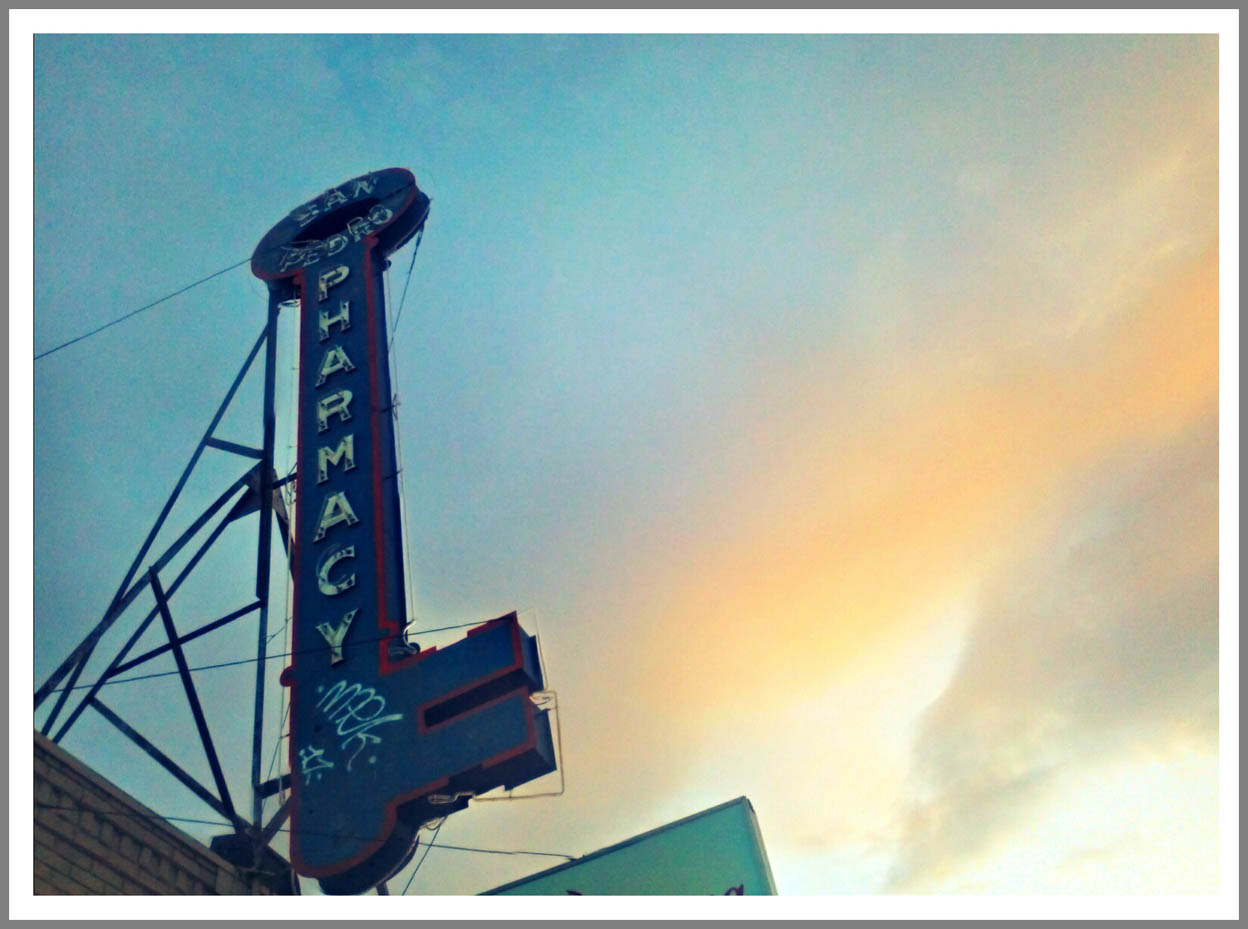
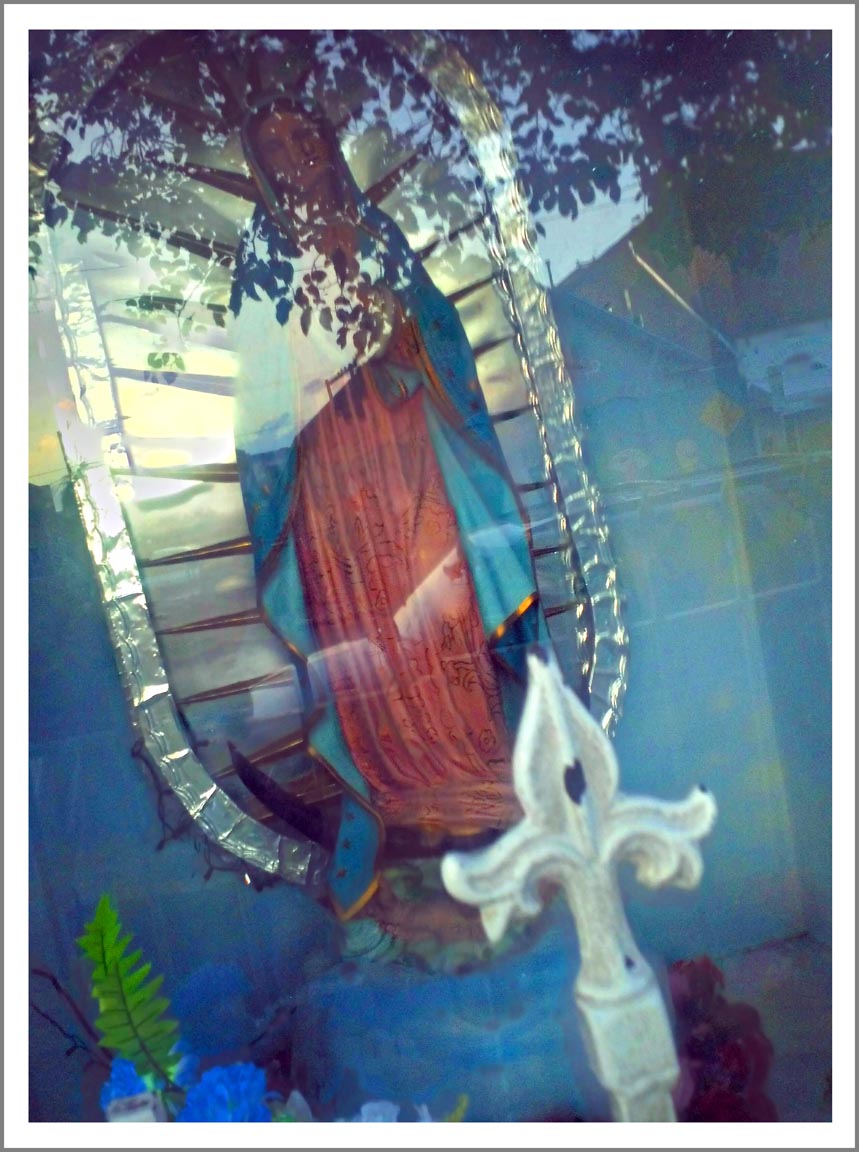
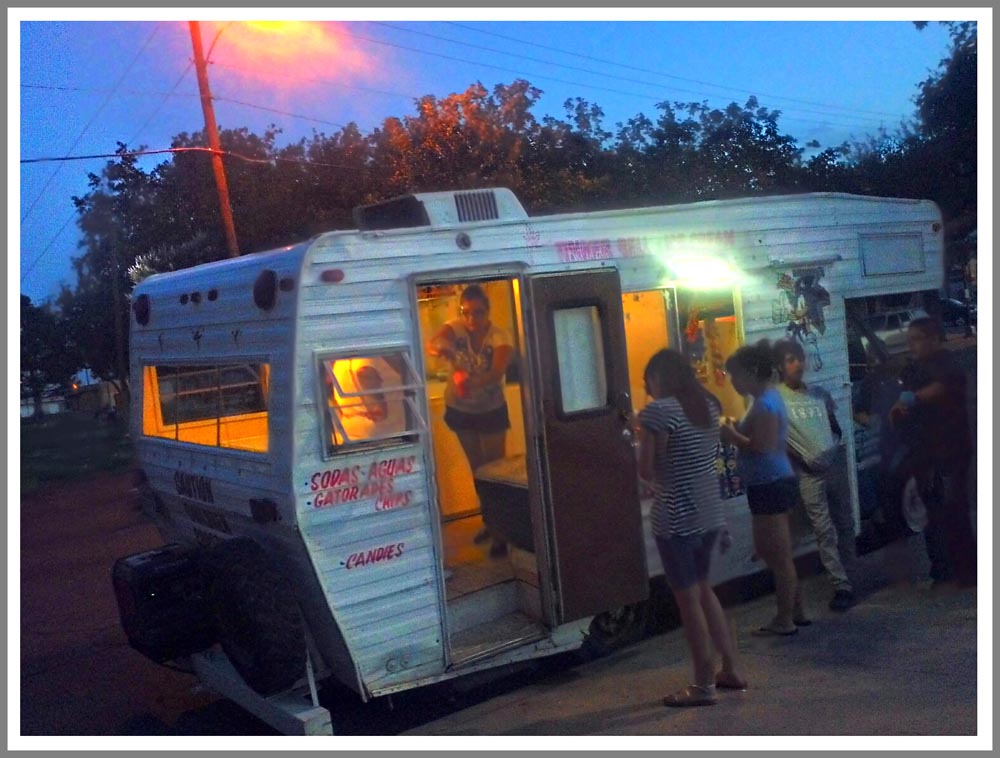
The quality of the “tech” is marginal.
Admittedly.
BUT, the liberation of just being another idiot with a cell phone, priceless!
The mobile phone returns one (especially one who no longer looks like a Spring Chicken) to the roots, invisibility, just another vato in the ‘hood. I hate bad technique, but, I love being FOW again (fly on the wall).
What do you think? Lower technique but higher involvement? Or go for higher technique and be the outsider jamming that thing into people’s lives?
Are Phonera’s a democratizing Good Thing?
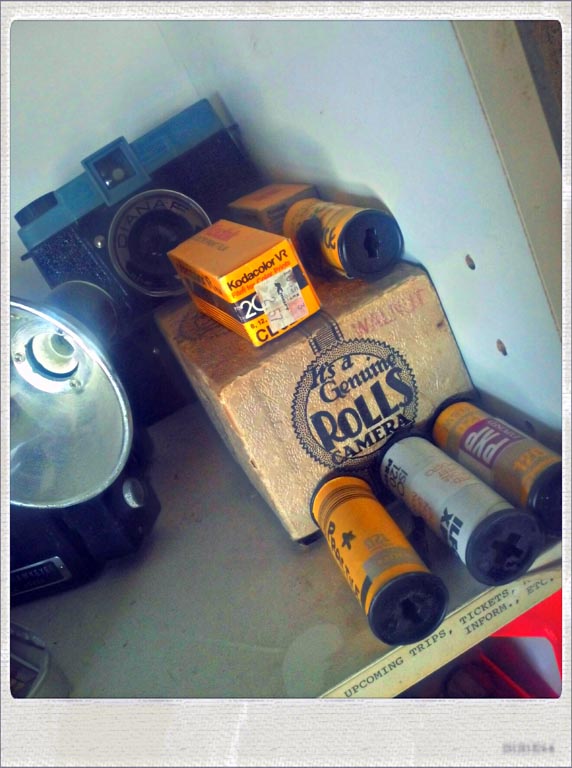
Bermaloid of the film shelf, May 2012
Commentary by Professor B KIller
Is it really over? Film? Well, actually that’s impossible. Film is any medium that can hold an image (my translation).
But is it that film that has silver on it on an “acetate” base is over with?
Pretty much.
I teach at a university. I’ve been there for four years. When I got there I was shocked to find out that they still had darkrooms. For one reason or another we kept them. I couldn’t arrive on the job, announce “The Darkrooms Are Dead” and be the killer!
And, as we went on, the students kept saying, “We love this.”
Well, some did. Soime hated it. Some loved and hated it. Many went on to be excellent photographers (in digital).
The point was that they were still learning some good lessons -as I and my generation did- in that dim room, swathed in yellow-red light, interacting with each other as they struggled with the old wet process of film and enlarged prints.
Cool but archaic.
So, here we are, at the end of another year, and as I look forward I struggle, once again, with the idea of being the Killer.
Anyone out there have any comments on this? Opinions? Experience with being the Killer Of The Darkroom or having fought off the axe of extinction?
Register on the blog and let me know.
You got to love paper. And aging. And photos. And writing.
Yes, it’s all in the “database” there, at the end of the keyboard, through Google. But is it?
Even if it is it has no texture, no odor, no reality.
Take this trip to The New York Times Morgue. A perfectly wonderful place to spend a lifetime.
Here is a nice vision for a documentary project that involves multiple photographers, blending old and new.
If you speak Chinese you can forgo the subtitles!
Altaf Qadri, 35, is an award winning photographer.
Qadri, 35, won a World Press Photo award this year for his poignant photograph of relatives mourning over the body of a man killed in a shooting by Indian police in Indian-controlled Kashmir.
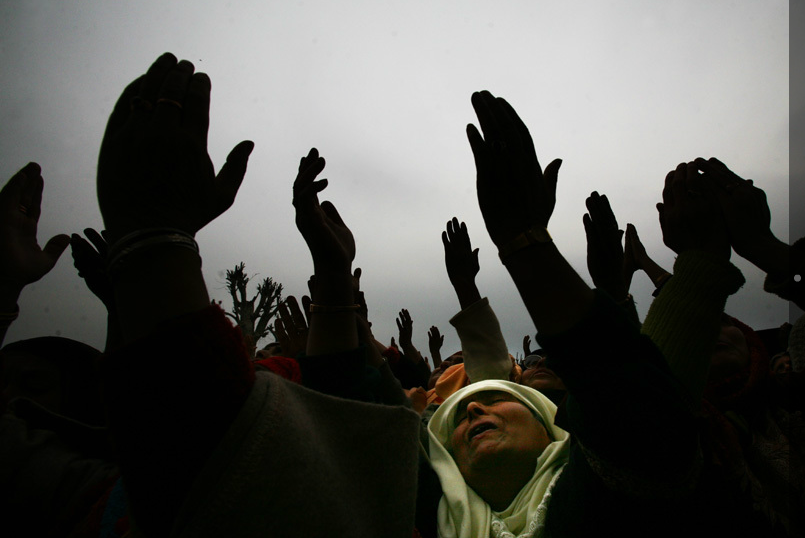
photography Altaf Qadri
Qadri, an Indian citizen, is a native of the Kashmiri city of Srinagar. He studied science at Kashmir University and worked as a computer engineer before taking a job as a staff photographer at a local Kashmiri newspaper in 2001.
CLICK ON THIS IMAGE FOR MORE Altaf Qadri: 
In 2003, he joined the European Press Photo Agency and covered the conflict in Kashmir. In 2008, he began working for The Associated Press in the Indian city of Amritsar. His work has appeared in magazines and newspapers around the world and has been exhibited in the United States, China, France and India.
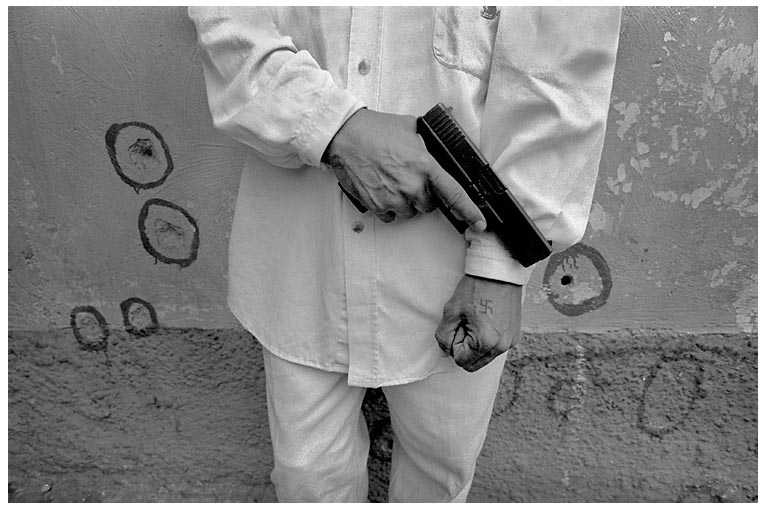 From Shantytown by André Cypriano-©2011
André Cypriano takes us into the forbidden hills of Caracas Venezuela. He takes us into a strange land of oddly shaped houses, winding streets carved out of the hills, into a land so odd and so foreign that it must be myth but can only be reality. He notices, as all greart documnentarey phtography does, that ordinary reality, in some cases, is always more intense and mind-boggling than any fiction can be,
Cypriano takes us to Rochinha.
How he got there, who gave him access and what he encounters is worth serious viewing time. In the New York times Lens Blog post, below, wander with André.
He will take you on a journey you well not forget.
For more from André Cypriano, see:
http://lens.blogs.nytimes.com/2011/12/06/in-brazil-finding-dignity-in-horror/
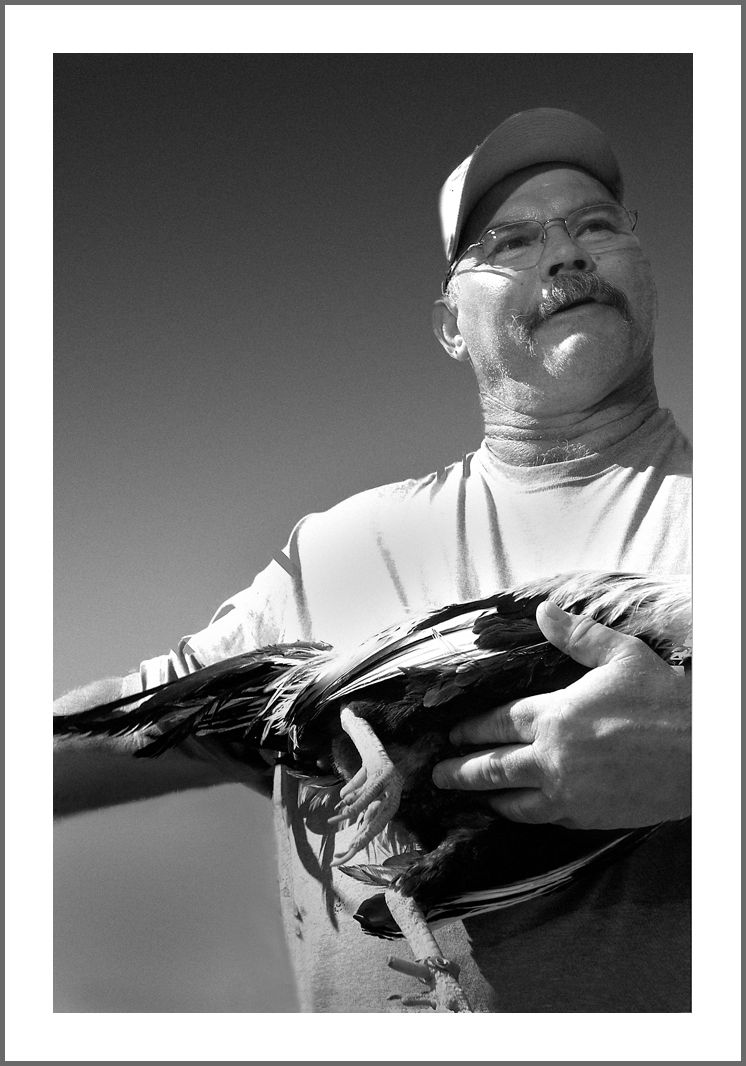 Cockfighting Man, New Mexico
©2011 by Bruce Berman
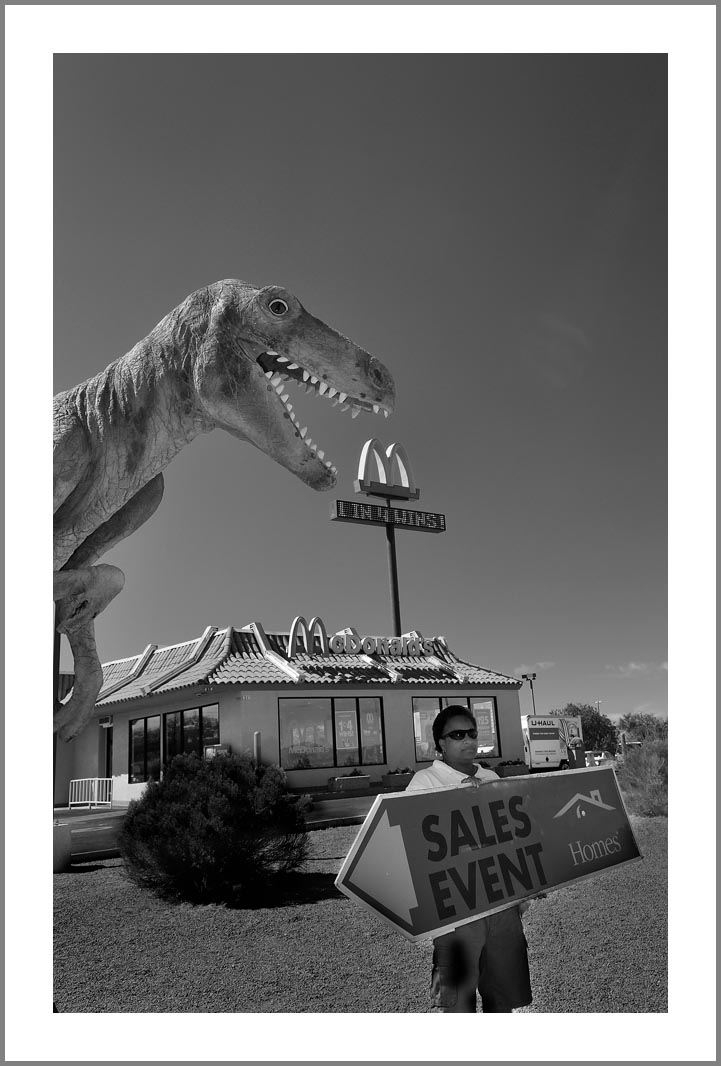
Terry and the Dinosaur, Benson, Arizona
October 8, 2011 by Bruce Berman
[flagallery gid=1 name=”Gallery”]
El Paso —-
Bruce shoots Juárez. Reluctantly and with remorse.
Since 2008 the photographer has been documenting the aftermath of violence in the troubled northern Mexico city. His interest is in the effect of the Cartel War on the population of the city, particularly the effect on the children of the city who have grown up knowing little else.
His current work is in a mental institution in the city, what he refers to as “The House Of The Abandoned.”.
The body of work -The Other Truth- will appear on this site on November 18th.
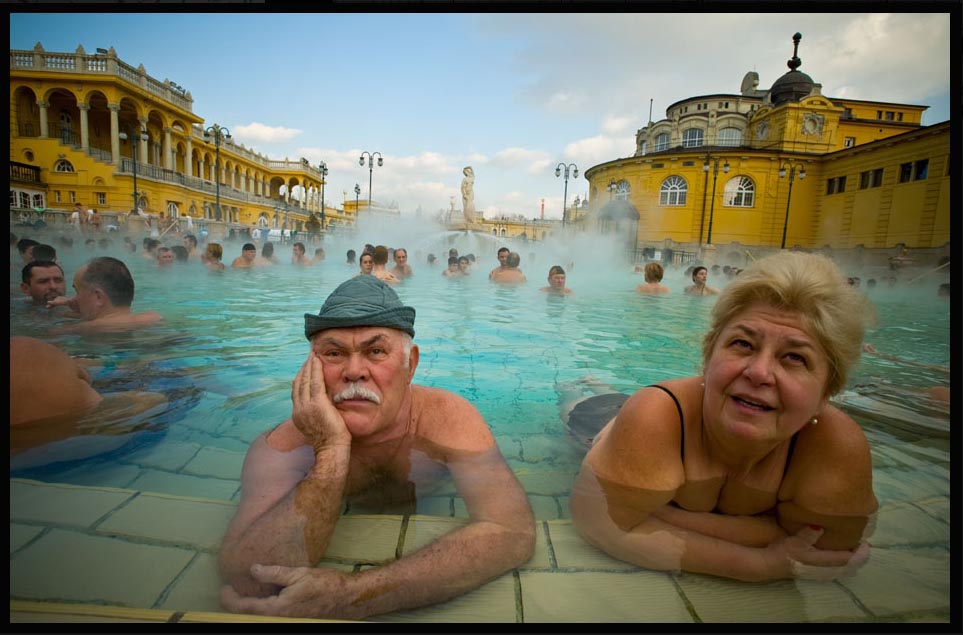
Hungary Baths by Amy Vitale©2011
From Ami Vitale’s website (http://www.amivitale.com):
Ami Vitale’s journey as a photojournalist has taken her to more than 75 countries. She has witnessed civil unrest, poverty, destruction of life, and unspeakable violence. But she has also experienced surreal beauty and the enduring power of the human spirit, and she is committed to highlighting the surprising and subtle similarities between cultures. Her photographs have been
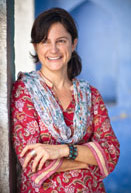
exhibited around the world in museums and galleries and published in international magazines including National Geographic, Adventure, Geo, Newsweek, Time, Smithsonian. Her work has garnered multiple awards from prestigious organizations including World Press Photos, the Lowell Thomas Award for Travel Journalism, Lucie awards, the Daniel Pearl Award for Outstanding Reporting, and the Magazine Photographer of the Year award, among many others.
Now based in Montana, Vitale is a contract photographer with National Geographic magazine and frequently gives workshops throughout the Americas, Europe and Asia. She is also making a documentary film on migration in Bangladesh and writing a book about the stories behind the images.
Is Photojournalism Dead Yet?
by Bruce Berman
A whole generation of street photographers have emerged in the digital era.
In fact there is a book dedicated to the subject that has over one hundred street photographers published.
I do not know one name.
What one can glean from this book and the plethora of postings on Facebook, Flickr, and other social media sites is that there are still photograp0hers who go into the streets with intention, commitment and courage and dance with the uncertainty of the randomness of street photography.
For a very good example of this work, visit http://www.street-photographers.com.
The work is good!
Another interesting site is on Vimeo and is produced by the prodigious street photographer Chris Weeks:
Street Photography: Documenting the Human Condition – Part One of Three from Chris Weeks on Vimeo.
But, in the end -and most street photographers acknowledge this- there is still the master of the Decisive Moment, The Man (!), Henri Cartier-Brsson. His work is still fresh, still charming, still brilliantly composed and still a model for a generation, shooting now, who’s grandparents were barely born when Henri was snapping away with his new found Leica.
For a thrilling and significant look at Bresson’s work, view the video below.
Contacts Henri Cartier Bresson english subbed from Ricardo J. Martins on Vimeo.
The next post will be an in depth look at street photography in thjis era, the era of post 9/11 street paranoia, digital speed and, seemingly, the “we have already seen everything,” media.
For now, Henri still rocks.
Article posted courtesy of Huffington Post and Steve Ettlinger
Is Photojournalism Dead Yet?
by Steve Ettlinger
Born in the 1930?s, come of age in the 1950?s and 60?s, and pronounced near dead in the 1970?s and virtually buried by the closing of magazines/rise of the internet–you have to wonder how it is that some aspects of this wonderful world are still around.
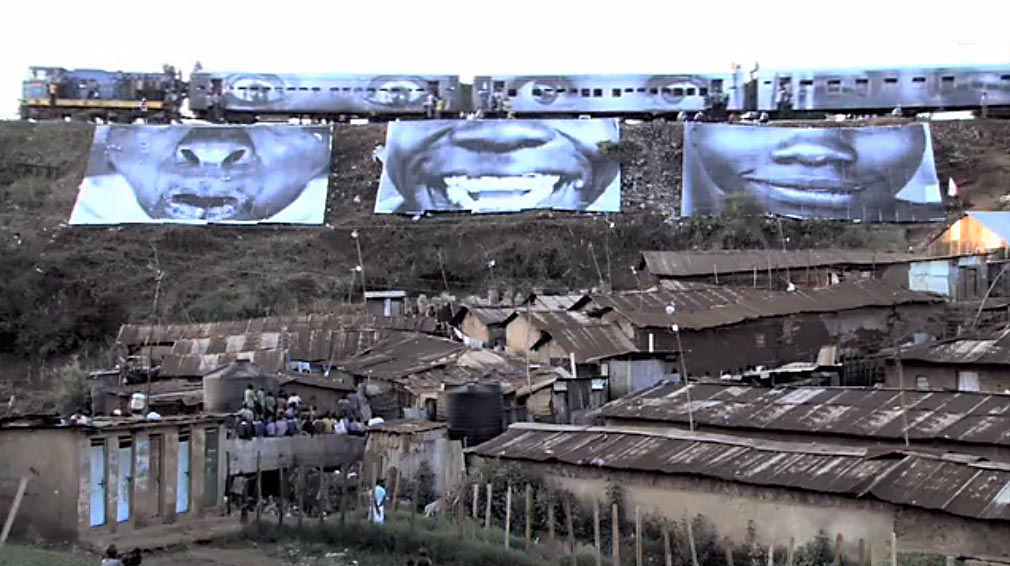 Outside In by JR
Editor’s Note: This is an amazing project. In the era when people worry about the demise and/or future of journalism, when academics question the effectiveness of journalism in a 24/7 news cycle world, there is JR, who is producing and promoting another form of photojournalism and not only bringing his subjects into the communication process, he is bringing the work done on the subjects back to their environments. Check it out:
INSIDE OUT is a large-?scale participatory art project that transforms messages of personal identity into pieces of artistic work. Everyone is challenged to use black and white photographic portraits to discover, reveal and share the untold stories and images of people around the world.
SEE VIDEO
This is a presentation of MagRack and is a lot of fun.
If you’ve seen the serene images he has done on Cape Cod or the somber and meditative images from Ground Zero, here is another aspect of Meyerowitz. His roots. New Yorker on the prowl where almost anything is game.
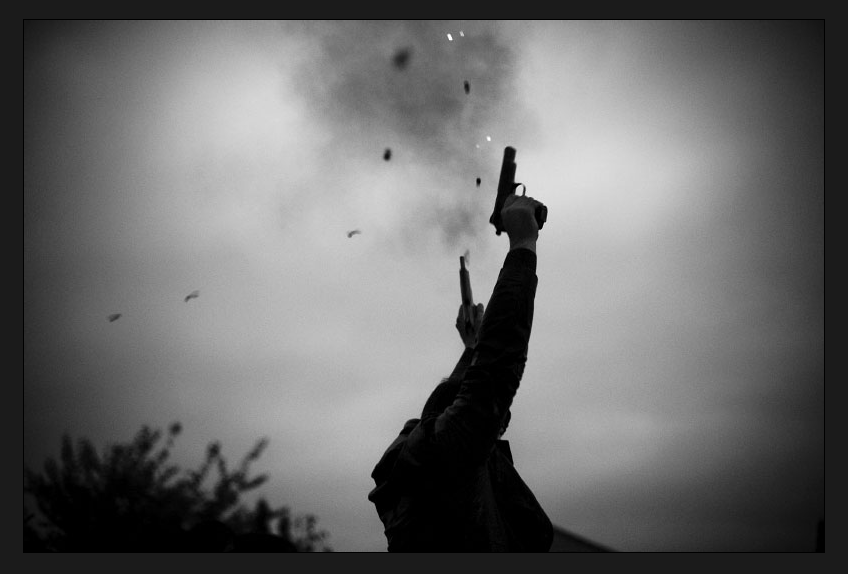
Andrea Bruce is a passionate, stylish, skilled documentary photography who’s images -in the best traditions of still photography- sear your soul and drive their point through your heart, restoring it instead of terminating it. She is the new breed of documentary photographer that blends all the skills of good journalism with all the skills of great graphic image-making and produces a coctail that is nothing less than photo alchemy.
Take a look: http://www.andreabruce.com
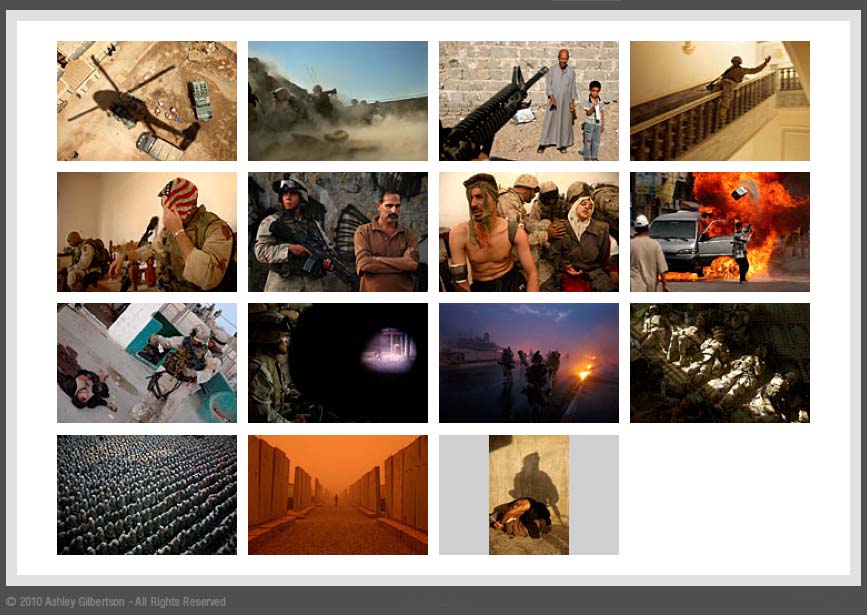
Contact Sheet of Ashley Gilbertson’s Conflict Photography
“He has a very good news sense and for me that’s really essential,”
says Cecilia Bohan, foreign picture editor for The New York Times.
“I need them [her photographers] to be my eyes and ears on the ground.”
Ashley Gilbertson is a VII photographer and one of the strongest Conflict Photographers working today. His recent work, done far from the battlefield but in the bedrooms of fallen soldiers, is one of the strongest testaments to the outright sadness about Loss that War induces, that this editor has ever seen.
For a sample of Mr. Gilbertson’s work:
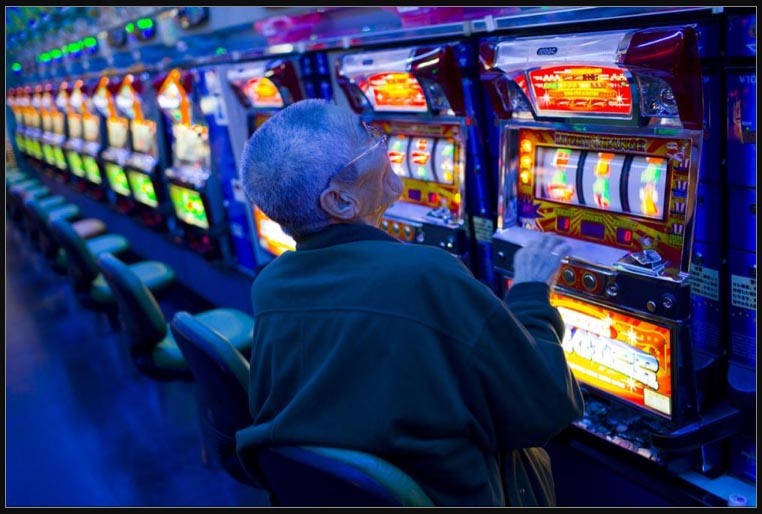
These are not the view of Japan that we normally see. Shiho Fukada shows us how some elderly people in Japan fare. It is not a story unique to Japan.
SEE http://www.socialdocumentary.net/exhibit/shiho_fukada/728
[pro-player width=’600′ height=’500′ type=’video’]https://documentaryshooters.com/wp-content/uploads/2009/09/PearlOnFilm3.mov[/pro-player]
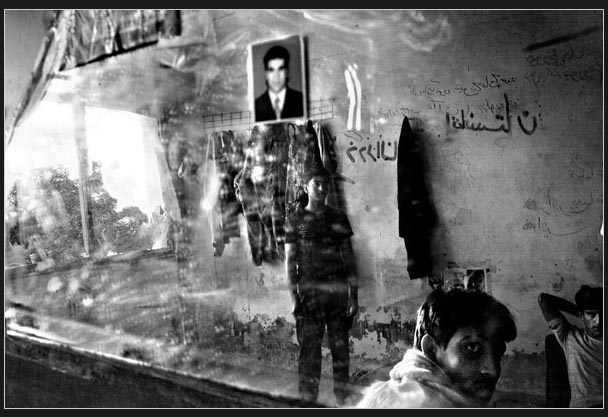
Lost Boys of Afghanistan by Moises Saman
See this stirring slideshow by Moises Saman shot for The New York Times: http://www.nytimes.com/slideshow/2009/08/27/world/20090827AFGHANMINORS_index.html
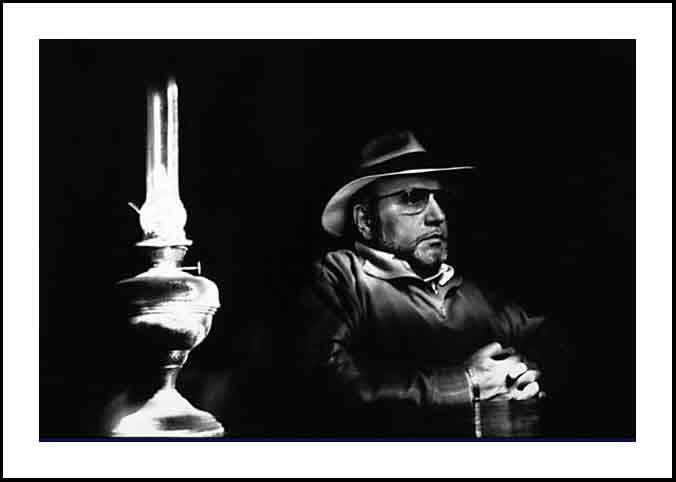
Self portrait by Evegen Bavcar
Photography has always been thought about as “another,” way of seeing.
And it is.
But, usually, we think about that as a person looking through the camera, seeing what’s there, and, through the magic of the camera and the film -or digital- capture process, one sees the world in different way.
More advanced photographers and appreciators of photography then allow for the transformative recognition of the quality and angle of light, of the Decisive Moment, of the power of distance to subject or, even, luck or magic.
It is this latter idea that infuses the work of Evgen Bavcar ((“E-oo-gen Ba-oo-char”), the Slovenian photographer is completely blind, completely eccentric and his images are totally wonderful.
[pro-player]https://documentaryshooters.com/wp-content/uploads/2009/08/my-name-is-dechen.flv[/pro-player]
“My name is Dechen.”
Watch this touching video done by Dhiraj Singh.
He did an interesting thing: A Video Biograph.
In a way, all Visual Journalists who do stories on people, are doing “biography,” but with the addition of audio, where the subject can speak for themselves (edited, of course), where the image-maker can animate the images and drive the viewer’s emotions, the subject of the story becomes more “alive,” the depth is ratcheted up, and, potentially, the medium is beginning to resolve the age old struggle of photojournalism: Who’s viewpoint is this about? The subject’s or the photographer’s?
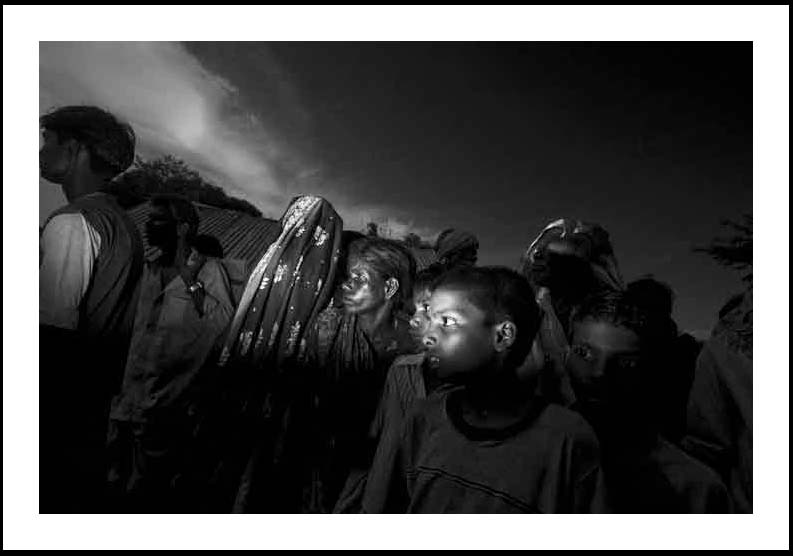
From “Six Feet Under,” ©2009Dhiraj Singh
For more work by Dhiraj Singh, SEE: http://www.dhirajsingh.com/01.htm
Dhiraj Singh is a Photojournalist who lives in Mumbai, India. His work has been published in numerous international magazines and online journals, including Newsweek, Vanity Fair, msnbc.com, The Wall Street Journal, L’Expresso, and, many others. He has won numerous awards (see his “bio,” on his site, above) and participated in many exhibitions. His pictures of the Mumbai terror attacks in 2008 were part of the prestigious group exhibition titled, ‘Bearing Witness’ held in Mumbai in 2009.
Documentaryshooters is honored to have permission to publish Mr. Singh’s work. We feel he has the insights and skills to show India as it is, depicting its greatness and its struggles, its deep and ancient soul as well as its modern and energetic heart. He, as no other photographer has, since, the great Raghu Rai’s seminal work of the 1970’s, ’80’s and 90’s, not only shows India and the sub continent, he makes us feel it.
Parikrama: But It Rained from Split Magazine on Vimeo.
This is a rock band video based on a magazine article about kidnap victims in Kashmir and those who wait for their return. This is one of India’s most revered bands and was one of India’s all time most popular rock songs.
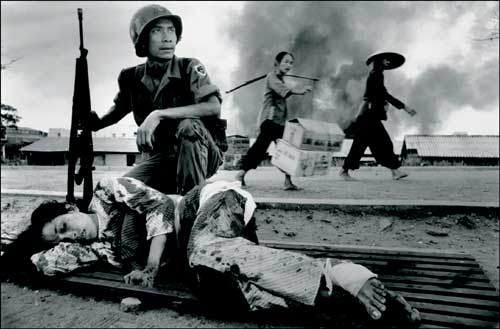
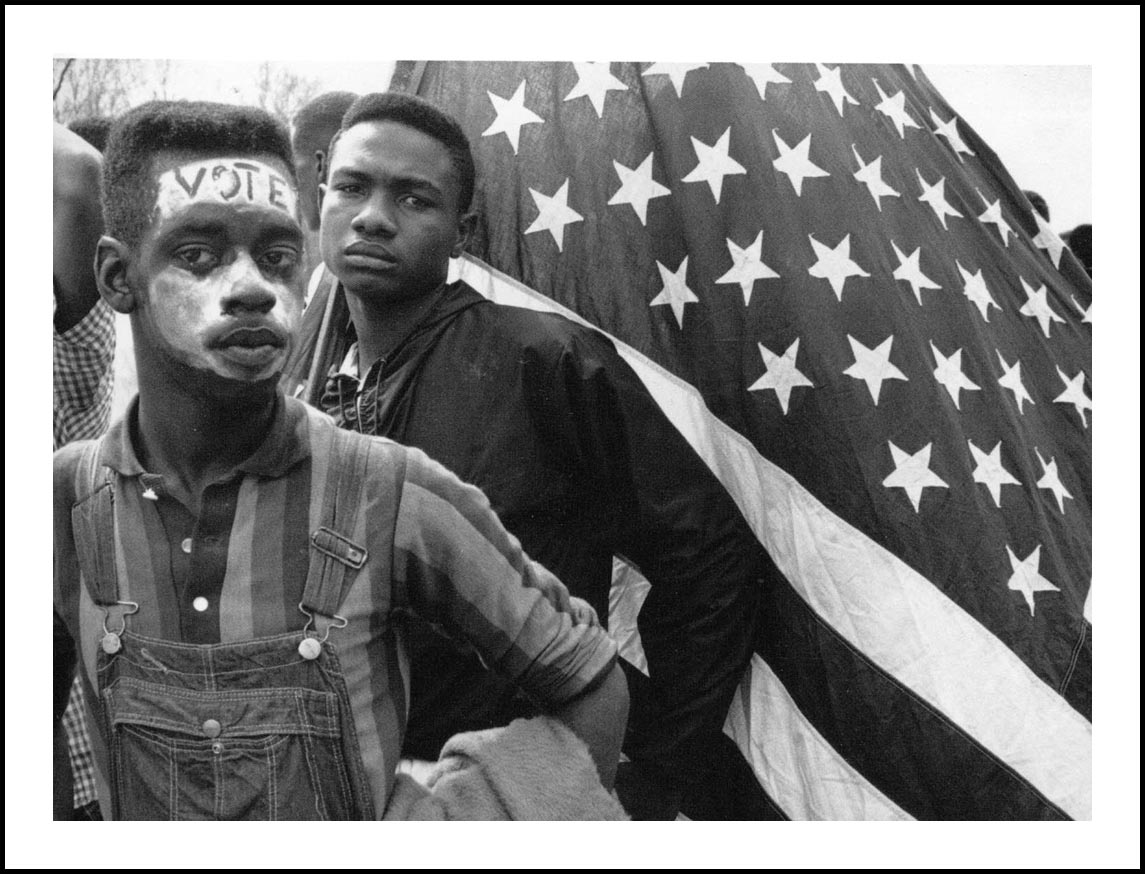
Sometimes we forget that the “Big Work,” the work that one becomes known for making isn’t all there is.
Bruce Davidson went south, from Chicago, on instinct.
The world was shaking and he felt the vibe.
The time was now: Civil Rights.
Real change.
Without assignment or specific destination he “nailed it,” and was able to work on the edges of the news, tell the story from a personal and deeply intimate viewpoint.
This image, for me, is one his best. Beautiful composition. Beatiful moment. Beautiful storyline. Iconic and packed with all the elements that make it a novel unto itself, if this was the only photography that existed from the era it was shot in, it would, I think, be enough to tell the story of the struggle.
One word and one image: sometimes it’s enough: Vote.
For More on Bruce Davidson: http://en.wikipedia.org/wiki/Bruce_Davidson_(photographer)
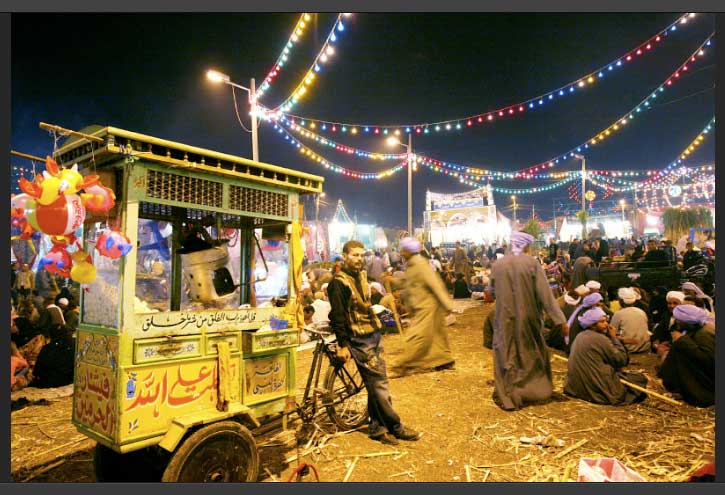
Man selling popcorn at a moulid, Tanta, Egypt, ©Shawn Baldwin
GO TO: http://www.shawnbaldwin.com/
Shawn Baldwin’s photographs of Egypt are lyrical, soft, sometimes tough, nuanced and, mostly, an eye that sees with the heart and feels with the intellect.
This is the kind of documentary that lets its viewers see as if they were there (although you’d have to be looking as hard as he is and putting in your time to get these beautifully done images).
In the end, because these are not screaming and specific, this work let’s us know a place and people without prejudice.
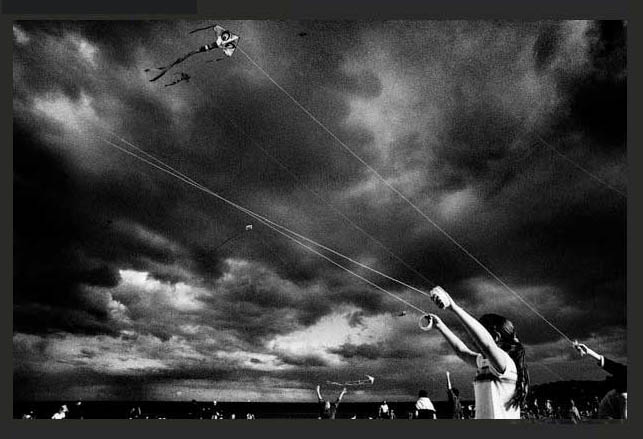
GO TO: http://todayspictures.slate.com/20090610
It can’t all be angst and drum!
Every once in awhile a good shooter has got to have some fun, or, at least, see others having fun.
That’s worth a document, right?
People still having fun?
Concept!
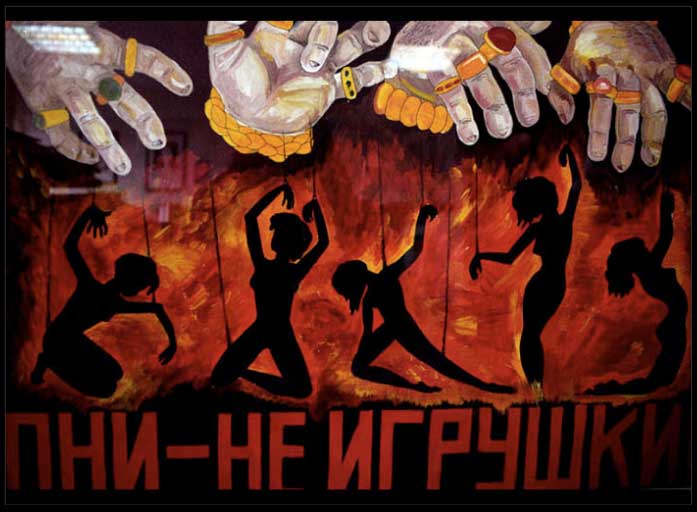
©2009 Photograph by Mimi Chakarova
GO TO: http://www.mclight.com/slideshow.html
Editor’s Note
This is one of the most painful documentaries I have ever seen.
Even more amazing is the fact that the work is not the slam and splash type of photojournalism that deals in blood, guts and flames.
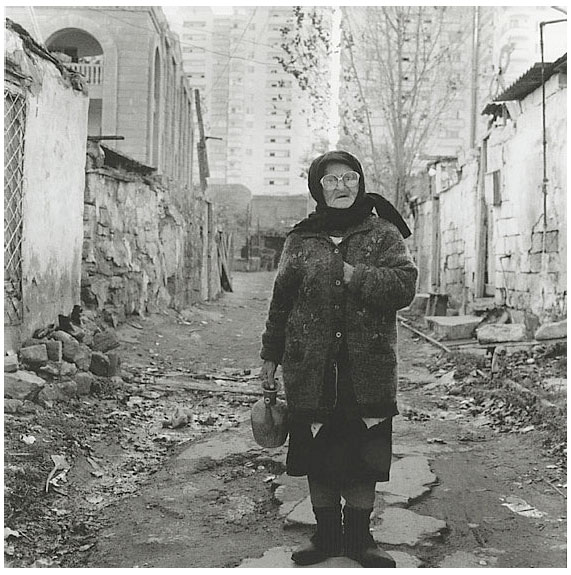
©Rena Effendi
GO TO: http://www.fiftycrows.org/index.php#s=0&p=0&a=2&mi=2&pt=1&pi=10000&at=1
Displacement. A world wide problem. When the Grid comes you got to move no matter that there is no good place to go to from the bad place you have become accustomed to. It looks the same in Azerbaijan, Mexico DF, Lomas del Poleo, Chicago…wherever.
Rena Effendi takes us into the rarely seen inner Azerbajian, to the mahalla neighborhood in the capitol city of Baku.
©Victor Sera
GO TO: http://www.fiftycrows.org/index.php#mi=2&pt=1&pi=10000&s=1&a=7&p=0&at=3
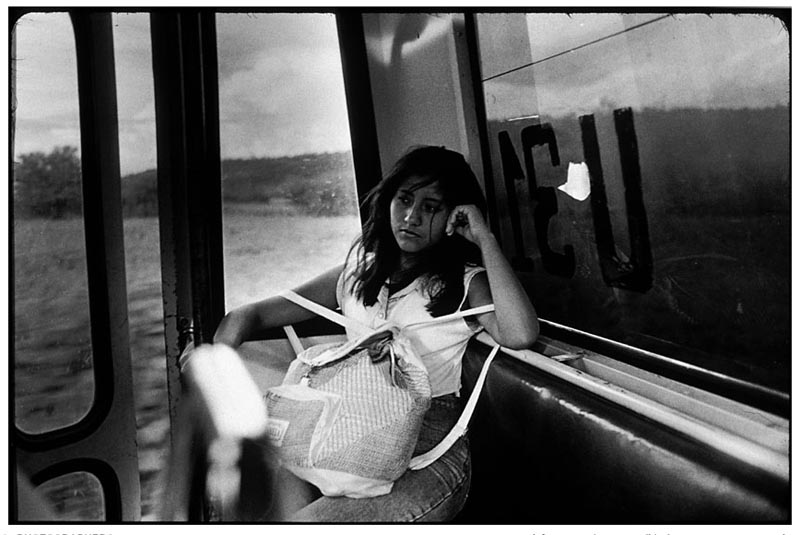
This is a photo essay on the lives of the undocumented as they navigate between their homes and their country chosen for work.
In some ways the “landscape,” of this document has changed since it was photographed in the 1990’s. The immigration interdiction efforts by the United States has reduced the number of migrants and, more recently, the lack of jobs in the U.S. due to the faltering economy has reduced it even further. The personal plight for migrants in the U.S. has changed for the worse, making any return to the mother country impossible due to the danger of the return journey.
This document, however, is still quite valid. The existential delemna of home and heart weighed against stomach and uprootedness is ongoing, worldwide and, as this work shows, problematic.

©Olivier Jobard
GO TO: http://mediastorm.org/0010.htm
This is an uplifting story of “one man’s willingness to abandon everything – his family, his country, and his friends – in the hopes of finding a better life abroad.”
This Mediastorm produced slide show of Olivier Jobard’s masterful photo essay, follows Kingsley from his home in Cameroon, through Africa and, eventually ending in the land of the “Holt Grail,” Europe.
The journey is not without its dangers and indignities for Kingsley, but another amamzing journey is Jobard’s herself.

East Side Stories/© Joseph Rodriquez
SEE: http://www.josephrodriguezphotography.com/index.php#a=0&at=0&mi=2&pt=1&pi=10000&s=0&p=5
Rodriquez goes where everyone else tries to stay away from: East LA.
This is a strong documentary of the gangs of East LA that goes beyond the dramatic into the intimacy of humans who live in a situation.

SEE: http://www.american-pictures.com/gallery/index.html
Note: Jacob Holdt’s photographs of hate and racism demonstrate the fact that the emphasis in documentary photography is on the word documentary. Sometimes Holdt’s images are a little soft focused or grainy or whatever else one considers technically “flawed(as were Hine’s, Riis’s and every other documentary photographer who was/is worth anything) ,” but, never does his work not deliver the goods: truth simply spoken.
Holdt used this camera

[ http://www.camerapedia.org/wiki/Canon_Dial_35 ]
to record over 20,000 images of “hate, racism and “white hate groups.”
He does not consider himself to be a “photographer,” but, rather, an observer, a participator, a witness. Check his site out. It is an incredibly disturbing -and eye opening- view of America. To my mind, Holdt presents a more thorough document than the two year event of Robert Frank and his Guggenheim sponsored “Americans.”
Here is presented Holdt’s Opus: a fairly unknown collection of his massive look at America’s underbelly.
Jacob Holdt’s Vagabond yearsArriving in America with only $40 for a short visit, a young Dane, Jacob Holdt ended up staying over five years, hitchhiking more than 100,000 miles throughout the USA.
 SEE: http://www.nbpictures.com/site_home/movie.php
GO TO: Menu>Portfolio>Simon Norfolk>Portfolios
This is an arresting and strangely beautiful look at the eerie landscape left by war.
Norfolk, a trained photojournalist, turned away from the live action kind of document and approached the look of war by pointing himself at the aftermath of war as it manifests itself on the landscape. His work from Afghanistan and Iraq tells another story of war and, like all war photography is a combination of destruction, unbelievable moment and twisted beauty.
 SEE: http://www.nbpictures.com/site_home/movie.php
GO TO: MENU>FEATURES>CURRENT AFFAIRS>IRAN’S YOUTH
This photo essay is of the youth of Iran. Kai Weidenhofer, who is a Middle East specialist gets to the truth of the matter: it’s a small planet, so what’s the big deal?
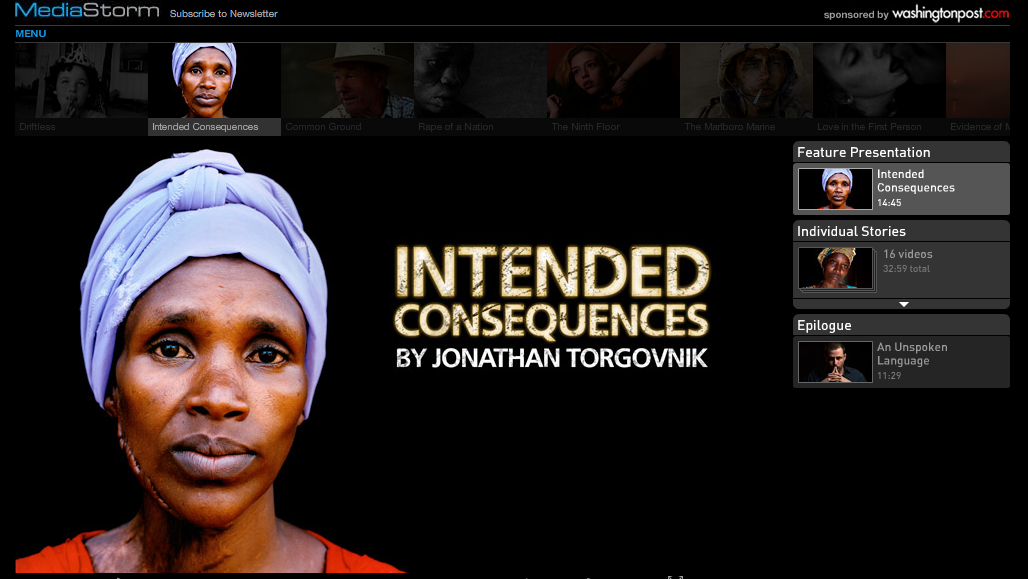
 Jonathan Torgovnik
SEE: http://mediastorm.org/0024.htm
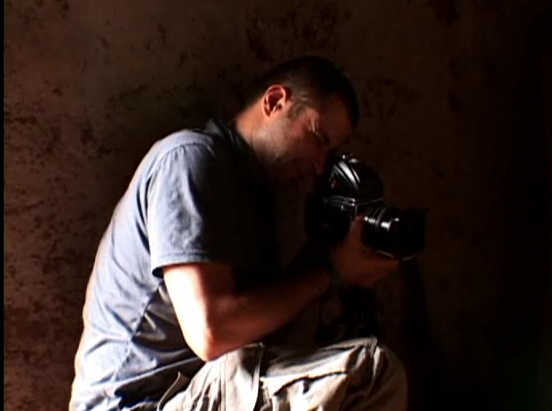
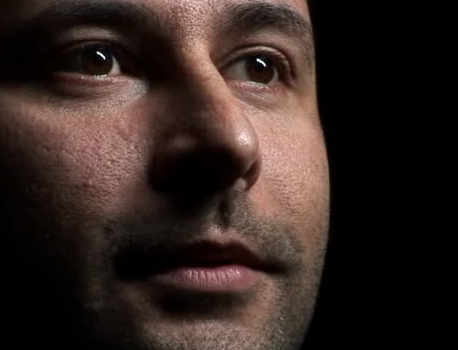
Here is a quintessential insight into the drive to do documentary photography, a chilling portrayal of the challenges of working within difficult environments and of turning horror into hope. Listen to Jonathan Torgovnik talk about rape, murder and redemption in Rawanda.
Moody, not edgy.
Sincere.
Image maker.
In his words, “It’s kind of hard to put into words what I do.”
SEE: http://mediastorm.org/0023.htm
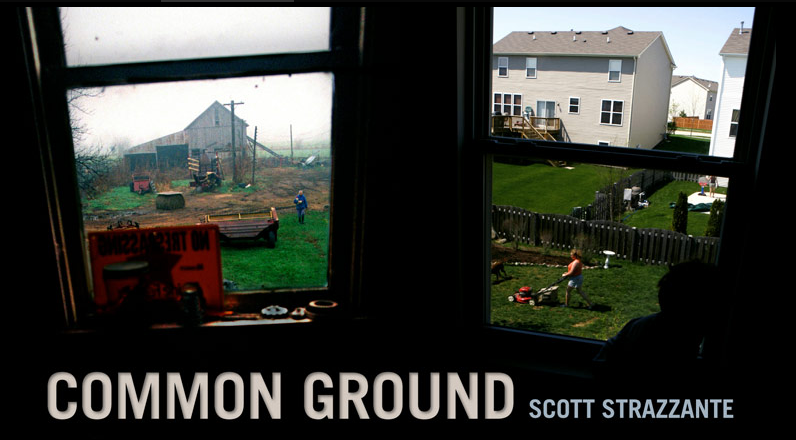
A documentary project on Displacement…in the “Heartland!
This photographer shows how “progress,” comes to everywhere and the displacement is not limited to indigenous people either. In the end it is the interests of Capital weighed against the interests of Labor that is the issue of land appropriation and displacement.
Let this documentary speak for itself.
This is one way to approach Documentary. Severely remove all elements of the subject except the subject itself.
Notice that without a background the photographer absolutely controls the statement.
The great Brazilian photographer Sabastio Salgado talks about his work and his career:
This is as eloquent a lecture about the “Why,” of doing documentary photography that you will find. Listen to Natchway. He’s earned the world’s ear: